0去购物车结算
购物车中还没有商品,赶紧选购吧!
当前位置: > Functional Category Deficits of Chinese Speakers with Agrammatic Aphasia (汉语语法缺失型失语症患者功能语类障碍研究)

相同作者的商品

销售排行榜

浏览历史

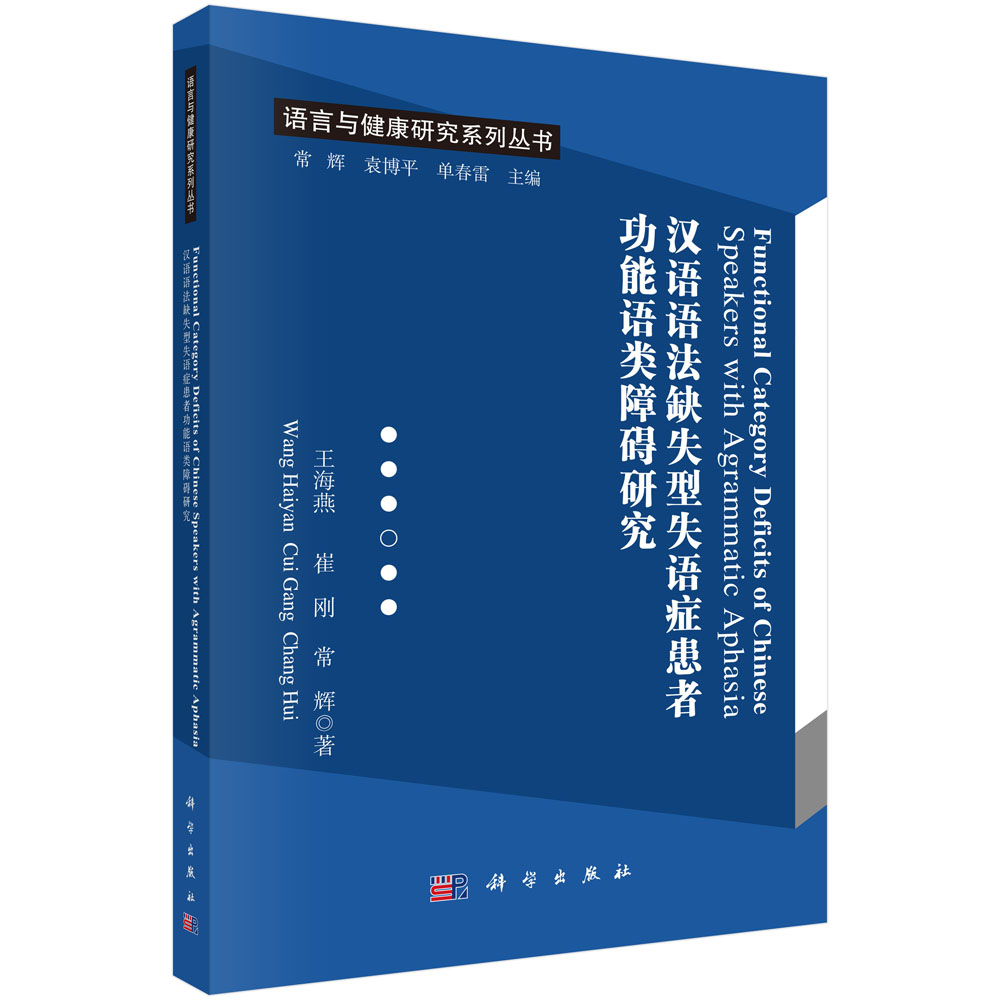
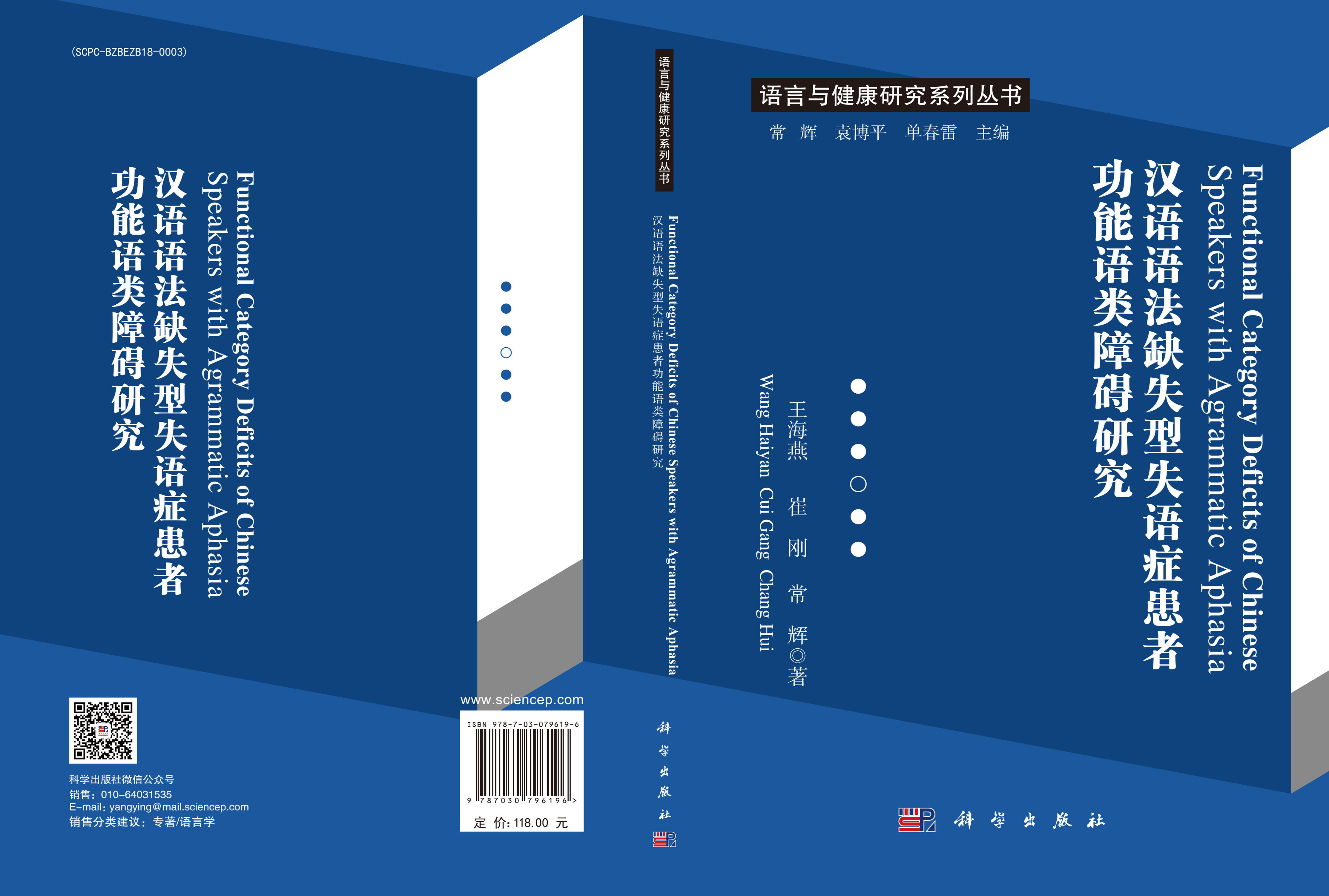
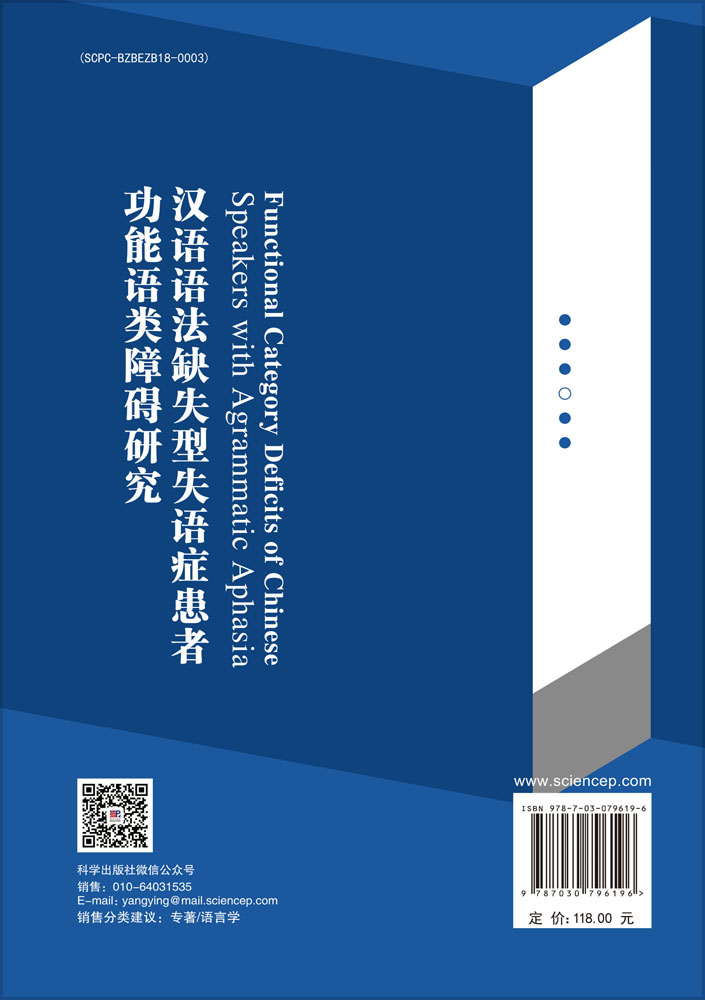
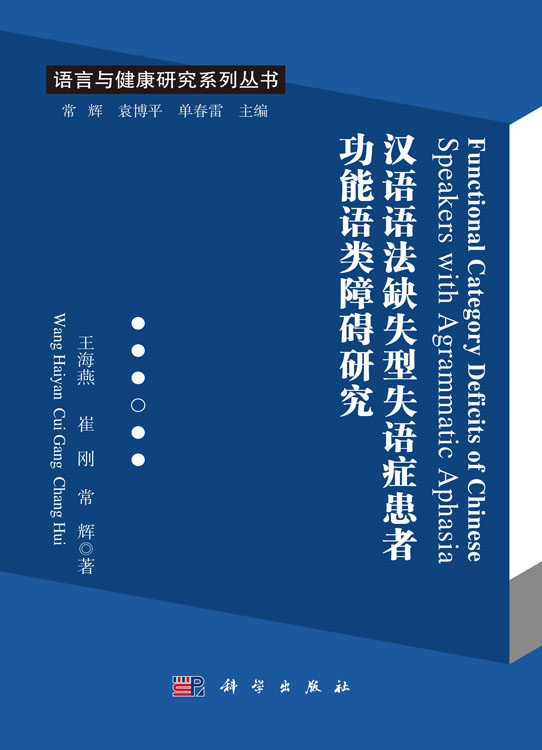
Functional Category Deficits of Chinese Speakers with Agrammatic Aphasia (汉语语法缺失型失语症患者功能语类障碍研究)

联系编辑
 
标题:
 
内容:
 
联系方式:
 
  
Functional Category Deficits of Chinese Speakers with Agrammatic Aphasia (汉语语法缺失型失语症患者功能语类障碍研究)

  • 书号:9787030796196
    作者:王海燕,崔刚,常辉
  • 外文书名:
  • 装帧:平装
    开本:B5
  • 页数:246
    字数:330000
    语种:en
  • 出版社:科学出版社
    出版时间:2025-01-01
  • 所属分类:
  • 定价: ¥118.00元
    售价: ¥93.22元
  • 图书介质:
    纸质书 按需印刷

  • 购买数量: 件  可供
  • 商品总价:

相同系列
全选

内容介绍

样章试读

用户评论

全部咨询

失语症是神经语言学研究中的重要内容。自二战后,失语症的语法障碍研究在理论和方法方面成果丰硕,但同时也存在理论分歧和研究结果矛盾的问题。同时,汉语失语症的语言学研究基础比较薄弱,尚不确定失语程度对失语症患者语法的影响,也不确定失语症患者在语言康复过程中的语法变化。本书系统梳理了汉语失语症语法障碍的理论和实证研究成果,设计了共时群组研究和历时追踪个案研究,以观察汉语布洛卡失语症患者功能语类的产出及康复过程。结果显示,句法树中的AspP/TP层级受损程度较轻,较高层级的CP及较低层级的vP受损严重,其中vP受损最重。现有假设无法完全解释研究结果,因此,本书基于语段理论提出新假设,认为vP语段推导问题是根本原因。
样章试读
  • 暂时还没有任何用户评论
总计 0 个记录,共 1 页。 第一页 上一页 下一页 最末页

全部咨询(共0条问答)

  • 暂时还没有任何用户咨询内容
总计 0 个记录,共 1 页。 第一页 上一页 下一页 最末页
用户名: 匿名用户
E-mail:
咨询内容:

目录

  • Contents
    丛书序
    前言
    Chapter 1 Introduction 1
    1.1 Research background 1
    1.2 Research aims and research questions 5
    1.3 Significance of the study 6
    1.4 Structure of the book 8
    Chapter 2 Functional Categories and Their Deficits in Agrammatism 9
    2.1 An overview of functional categories 9
    2.2 Functional categories in Mandarin Chinese 13
    2.2.1 CP 14
    2.2.2 TP/AspP 22
    2.2.3 vP: ba construction and bei construction 26
    2.2.4 Summary 31
    2.3 Functional category deficits in agrammatism 32
    2.3.1 Deficits in production 32
    2.3.2 Some accounts of agrammatic production 38
    2.3.3 Deficits in comprehension 46
    2.3.4 Some accounts of agrammatic comprehension 49
    2.4 Limitations of the previous studies 53
    2.5 Summary and motivation of the present study 57
    Chapter 3 The Synthesis of Synchronic and Diachronic Studies 58
    3.1 An overview of synchronic and diachronic studies 58
    3.2 Research design for the synchronic group study 59
    3.2.1 Participants 59
    3.2.2 Instruments 62
    3.2.3 Procedures 63
    3.2.4 Data collection 64
    3.2.5 Data analysis 65
    3.3 Research design for the diachronic case study 65
    3.3.1 Participant 66
    3.3.2 Tasks and materials 66
    3.3.3 Procedures 93
    3.3.4 Data collection 94
    3.3.5 Data analysis 95
    3.4 Summary 95
    Chapter 4 Results of the Synchronic and Diachronic Studies 97
    4.1 Results of the synchronic group study 97
    4.1.1 Comparisons between the IWA and NBD groups 98
    4.1.2 Comparisons within the IWA 109
    4.2 Results of the diachronic case study 118
    4.2.1 Performance through time process 118
    4.2.2 Comparisons among different tasks 137
    4.2.3 Comparisons among different time frames 145
    4.2.4 Summary of the diachronic case study 151
    4.3 Discussion 152
    4.3.1 On the findings in the synchronic group study 152
    4.3.2 On the findings in the diachronic case study 157
    Chapter 5 General Discussion on Synchronic and Diachronic Studies 170
    5.1 Reconsiderations of some prior accounts 171
    5.1.1 The TDH 171
    5.1.2 The TPH 173
    5.1.3 The TUH 174
    5.1.4 The Impaired Interpretable Feature Hypothesis 175
    5.1.5 The DOP-H 176
    5.1.6 A Phase Theory-based alternative 177
    5.2 Some implications for Chinese linguistics 182
    5.2.1 Implications for le1 and le2 183
    5.2.2 Implications for the bei passives 184
    5.2.3 Implications for the theory of thematic order 186
    Chapter 6 Conclusion 188
    6.1 Summary of the present study 188
    6.2 Contributions of the present study 191
    6.3 Limitations of the design of the study 192
    6.4 Unresolved issues and directions for future research 194
    References 197
    Appendix A 212
    Appendix B 237
帮助中心
公司简介
联系我们
常见问题
新手上路
发票制度
积分说明
购物指南
配送方式
配送时间及费用
配送查询说明
配送范围
快递查询
售后服务
退换货说明
退换货流程
投诉或建议
版权声明
经营资质
营业执照
出版社经营许可证